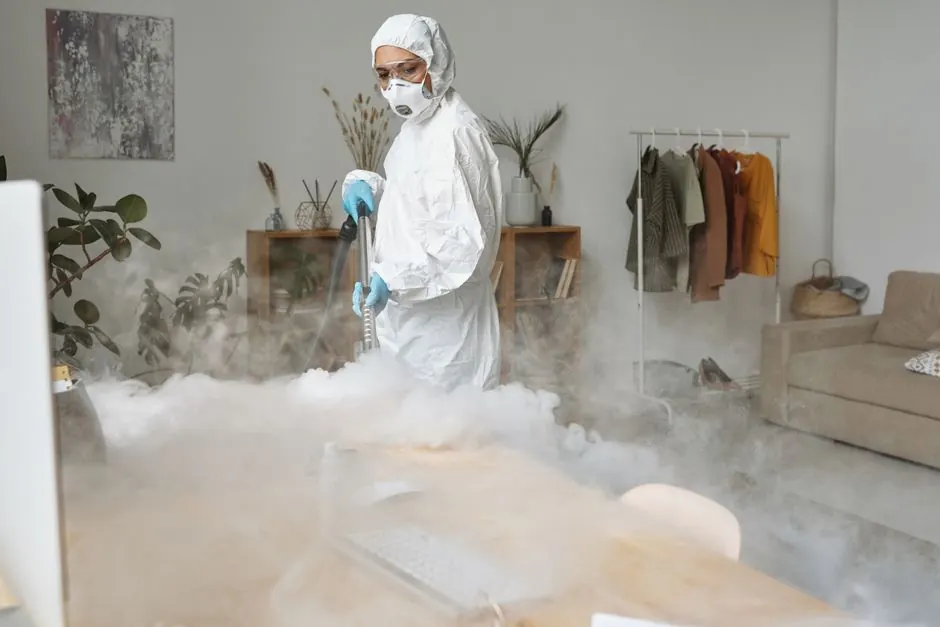
Indoor air quality is crucial for your health and comfort at home. Poor air quality can lead to various health issues, including allergies and respiratory problems. In this article, we will explore effective ways to improve indoor air quality in your Spring Hill, Tennessee home.
Understanding Indoor Air Quality
Indoor air quality (IAQ) refers to the condition of the air inside buildings, particularly as it relates to the health and comfort of occupants. It is affected by various factors, including ventilation, humidity, and the presence of pollutants. Understanding these elements is the first step towards improving the air quality in your home.
Common Indoor Air Pollutants
Several pollutants can compromise indoor air quality. Here are some of the most common:
- Dust and Dust Mites: These tiny creatures thrive in warm, humid environments and can trigger allergies.
- Pollen: If you have plants indoors or live near flowering plants, pollen can be a significant contributor to poor air quality.
- Volatile Organic Compounds (VOCs): Found in paints, cleaning supplies, and building materials, VOCs can cause headaches and irritation.
- Mold: Excess moisture can lead to mold growth, which can severely impact health.
- Carbon Monoxide: This odorless gas can be deadly; ensure your home has working detectors.
Effective Strategies to Improve Indoor Air Quality
Improving your home's indoor air quality involves several practical strategies:
- Increase Ventilation: Open windows and doors to allow fresh air in, especially during favorable weather. Consider using exhaust fans in kitchens and bathrooms to remove moisture and pollutants.
- Use Air Purifiers: Investing in a good air purifier can help remove dust, pollen, and other allergens. Look for models with HEPA filters for the best results.
- Control Humidity: Keep indoor humidity levels between 30% and 50% to prevent mold growth. Dehumidifiers can be beneficial in damp areas.
- Regular HVAC Maintenance: Schedule regular maintenance for your heating and cooling system to ensure it operates efficiently and filters are replaced as needed. Our Indoor Air Quality Services Spring Hill, Tennessee can help with this.
- Choose Low-VOC Products: When painting or renovating, opt for low-VOC or no-VOC products to minimize harmful emissions.
The Role of HVAC Systems
Your HVAC system plays a vital role in maintaining indoor air quality. Properly functioning systems filter out dust and allergens while regulating temperature and humidity. In Spring Hill, Tennessee, where humidity levels can rise, ensuring your system is equipped with high-quality filters can significantly improve air quality. Consider upgrading to a cooling system with advanced filtration options.
Common Mistakes to Avoid
While working on improving your indoor air quality, be mindful of these common mistakes:
- Neglecting HVAC Maintenance: Failing to maintain your HVAC system can lead to reduced efficiency and air quality problems.
- Overusing Air Fresheners: Many air fresheners contain chemicals that can worsen air quality rather than improve it.
- Ignoring Signs of Mold: If you notice mold growth, address it immediately to prevent health issues.
- Not Monitoring Humidity Levels: High humidity can lead to mold and dust mites, while low humidity can cause dry skin and respiratory issues.
When to Call a Professional
If you've tried various methods to improve your indoor air quality but still experience issues, it may be time to call a professional. Our team at HVAC Spring Hill TN specializes in indoor air quality solutions tailored to your home's needs. We can conduct a thorough inspection and recommend the best course of action.
Frequently Asked Questions
What are the signs of poor indoor air quality?
Common signs include frequent headaches, allergies, fatigue, and visible mold growth. If you notice these symptoms, it's essential to take action.
How often should I change my HVAC filters?
It is generally recommended to change filters every 1-3 months, depending on usage and the type of filter. Regular changes improve air quality and system efficiency.
Can plants improve indoor air quality?
Yes, certain houseplants can help purify the air by absorbing toxins. However, they should be maintained properly to prevent mold growth.
Is it necessary to use an air purifier?
While not mandatory, air purifiers can significantly enhance indoor air quality, especially for those with allergies or respiratory issues.
What should I do if I suspect carbon monoxide in my home?
If you suspect carbon monoxide, evacuate immediately and call emergency services. Ensure you have working detectors installed in your home.